For travelers finishing a Tanzania safari, Zanzibar offers the ideal closing chapter, an archipelago in the Indian Ocean where centuries of trade have left behind a culture as layered as its history. At the heart of it sits Stone Town, a UNESCO World Heritage Site of narrow winding alleys, elaborately carved wooden doors, and buildings that reflect a blend of African, Arab, Indian, and European influence built up over generations as a hub for the spice and, more somberly, the slave trade. A guided walk through Stone Town, including a visit to the site of the old slave market, gives travelers essential historical context alongside its undeniable beauty, and the Forodhani Gardens night market along the seafront offers some of the best street food in East Africa as the sun goes down.
Beyond Stone Town, Zanzibar’s nickname as the Spice Island is well earned. The island was once the world’s largest producer of cloves, and a tour through a working spice farm remains one of its most memorable experiences, walking among cinnamon, nutmeg, vanilla, and cardamom while a local guide explains their role in the island’s cuisine and history. Travelers with an extra day often add a visit to Jozani Forest, home to the rare Zanzibar red colobus monkey found nowhere else on earth, or a boat trip out to Prison Island to see its population of giant tortoises.
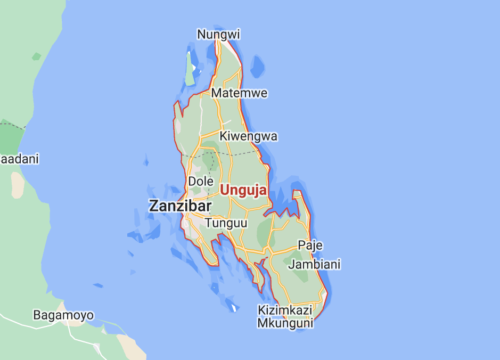
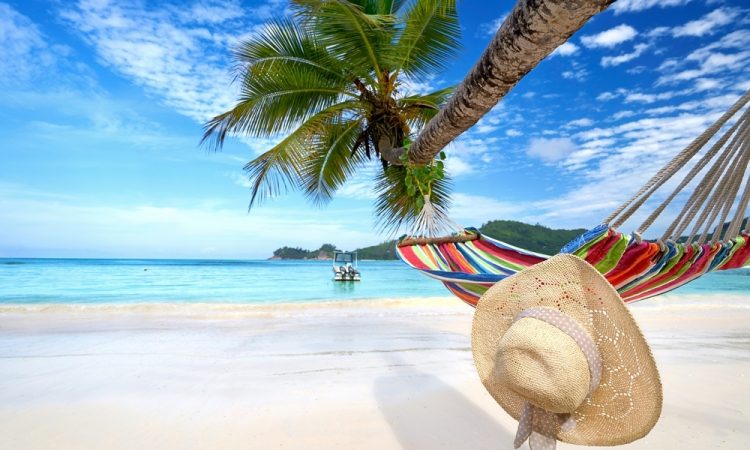
The beaches, of course, are the reason many travelers extend their trip in the first place. The north coast around Nungwi and Kendwa offers Zanzibar’s liveliest stretch of white sand and turquoise water, ideal for swimming, snorkeling, and sunset dhow cruises, while the quieter east coast around Paje draws those looking for a slower pace and excellent kitesurfing conditions. Whether paired with a few days in Stone Town or booked as a standalone beach escape, Zanzibar rounds out a Tanzania itinerary with the kind of restorative finish that few safari destinations can offer so close at hand.